How to Monitor Soil Moisture Around Your Foundation (and Prevent Costly Damage)
If you own a home, there’s a hidden variable that can quietly cause thousands of dollars in damage—and most people never measure it.
That variable is soil moisture around your foundation.
Too dry, and the soil shrinks.
Too wet, and the soil expands.
Either way, your foundation moves.
Over time, that movement can lead to:
- Cracks in walls
- Sticking doors and windows
- Uneven settling
- Expensive structural repairs
The good news is—you can measure and manage this directly.
Why Soil Moisture Matters for Foundations
The soil around your home is constantly changing due to rainfall, irrigation, sun exposure, and plant activity.
In many soils—especially clay—these changes translate directly into expansion and contraction.
The goal isn’t to keep the soil wet. The goal is to keep it consistent.
The Simple Way to Monitor Soil Moisture
Instead of guessing, you can install a soil moisture sensor and data logger that continuously tracks what’s happening underground.
This gives you something most homeowners never have:
→ Real data about what your soil is actually doing
Recommended Setup (Simple and Proven)
VH400 Soil Moisture Sensor
- Measures volumetric water content
- Fast response and highly reliable
- Designed for long-term installation
VegeHub Data Logger
- Automatically reads the sensor
- Logs data continuously
- Uploads to the cloud for remote access
Together, these give you a continuous moisture profile around your foundation.

Step 1: Choose the Right Location
- Place 1–3 feet from your foundation
- Choose a representative area
- Avoid direct sprinkler spray unless intentional
If different sides of your house behave differently, consider installing multiple sensors.
Step 2: Install the Sensor Properly
Recommended depth: 12–18 inches
- Dig a narrow hole
- Insert the sensor vertically
- Backfill and compact soil firmly
- Avoid air gaps
Step 3: Start Logging Data
With a VH400 and VegeHub:
- Data is recorded automatically
- Logging intervals of 15–60 minutes work well
- No manual measurements required
You’ll start to see:
- Moisture spikes after rain
- Gradual drying trends
- Differences between areas
Step 4: Identify Problem Patterns
🔻 Soil drying too quickly
Leads to shrinkage.
Fix: Add light, consistent irrigation
🔺 Soil staying too wet
Leads to expansion and pressure.
Fix: Improve drainage or redirect runoff
⚖️ Uneven moisture
One side wet, one side dry—causing differential movement.
Fix: Balance moisture across all sides
Step 5: Stabilize Moisture (The Goal)
You’re not trying to hit a specific number—you’re trying to reduce fluctuation.
Stable moisture = stable soil = stable foundation
Continuous data from the VegeHub lets you verify that your adjustments are working.
Using Plants to Help Regulate Moisture
Plants act as natural water pumps through transpiration.
- High-transpiration plants (like hydrangeas) remove excess moisture
- Low-transpiration plants (like succulents) help preserve moisture
Why Continuous Monitoring Matters
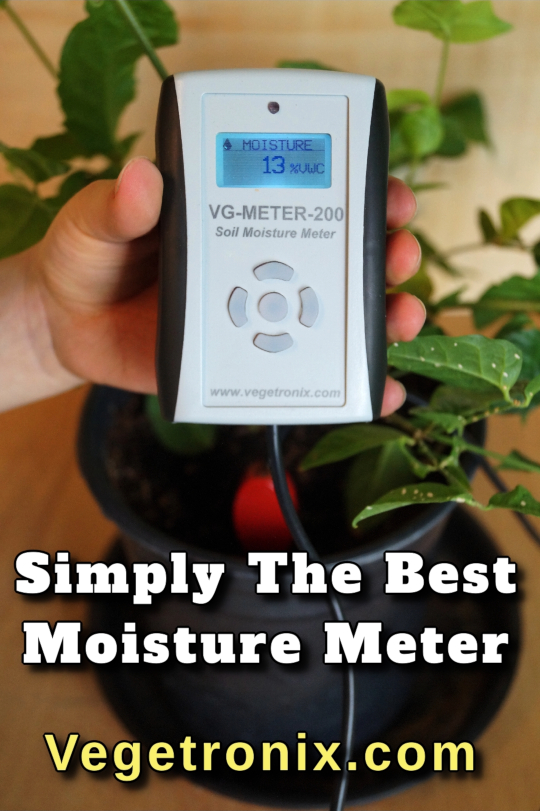
A handheld meter gives you a snapshot—but misses the full picture.
A VH400 + VegeHub system gives you:
- Continuous data
- Remote access
- Long-term trends
This turns foundation care from guesswork into something you can actually manage.
Get Started
Are you ready to get started with Vegetronix technology. Click on this button, and it will add all of the parts you need to monitor soil moisture around your foundation into your shopping cart. Afterward you can add, delete and substitute parts from your cart to create the perfect solution. You can also swap out cable lengths, if you need longer cables.
Add Foundation Moisture Monitoring Parts to Cart
About the Author
Hi, I’m Tim the TechnoGardener—an electrical engineer who applies engineering principles to gardening and real-world problems.
If you enjoy practical, data-driven solutions, check out more at Vegetronix.com.